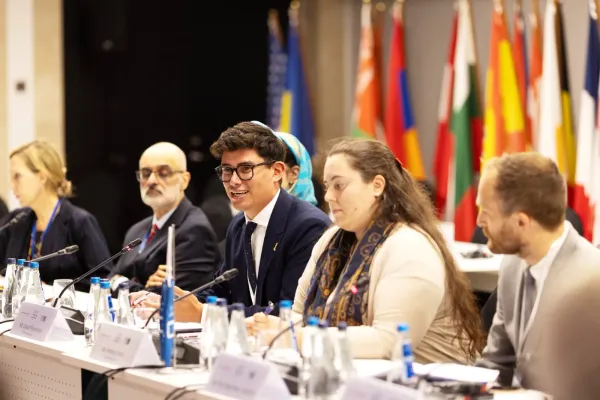
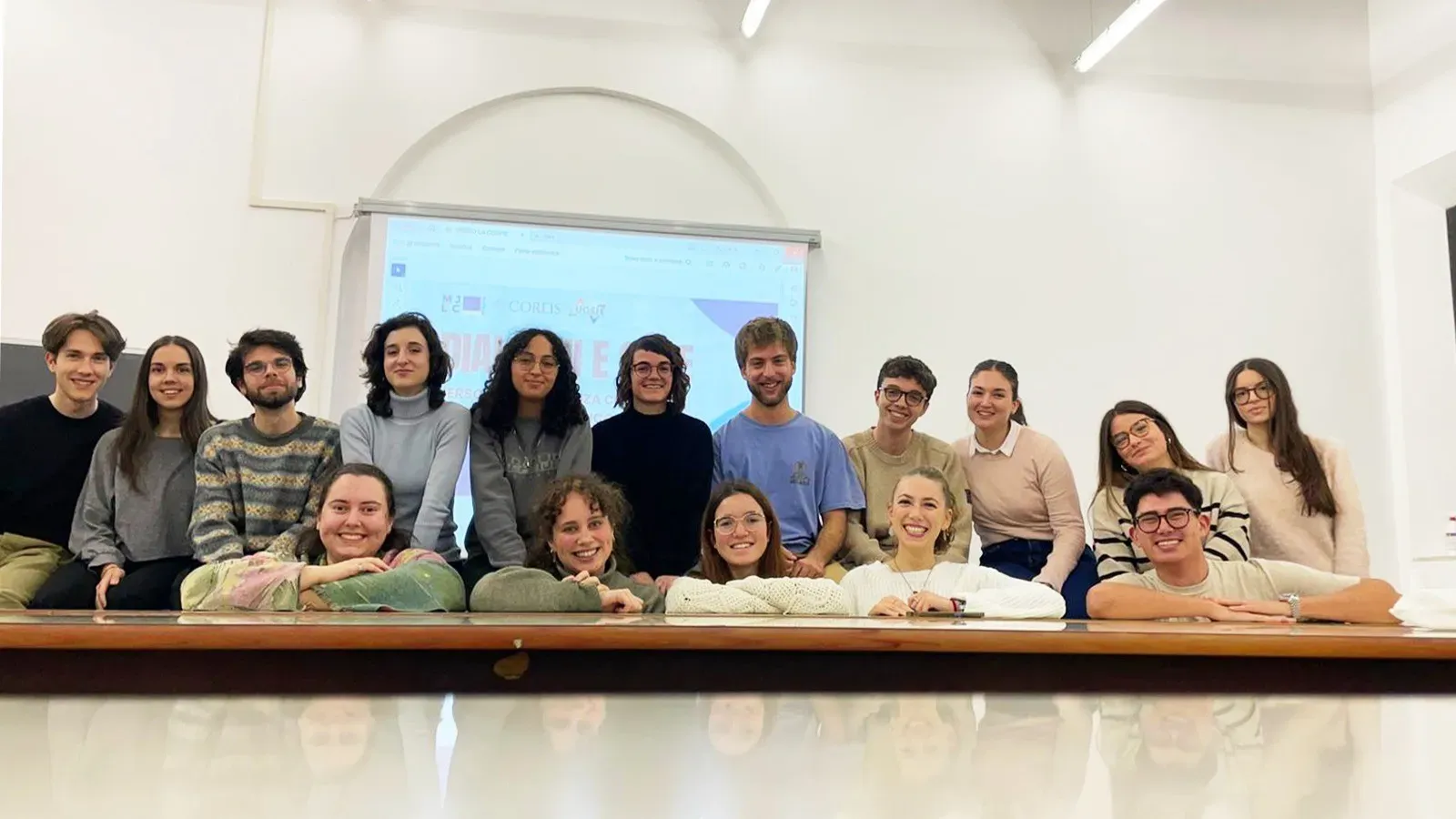
Ambassadors Amina Croce and David Fiorentini, both medical students, combined their professional skills and intercultural insights to create and lead innovative seminars on cultural competence and inclusion in healthcare. These seminars, supported by the Italian Medical Students Association, were conducted at the University of Ferrara and Humanitas University. Each session provided foundational knowledge of Islam and Judaism, followed by interactive discussions around real-life medical scenarios, preparing medical professionals for culturally sensitive patient care.
A survey revealed that 94% of participants had no prior exposure to interreligious dialogue initiatives, highlighting the crucial need for such training. Additionally, Amina and David participated in a podcast hosted by Italian national radio RAI 3, discussing the importance of dialogue and care in medicine, reinforcing awareness around cultural competence and respectful patient care.
Voices from the Ambassadors
David Fiorentini emphasizes the importance of their work:
“Dialogue and Care can become a key step in medical education. In a globalized and multicultural society, the elements of cultural competence should be an integral part of the standard of care provided by the healthcare system. What could only take a doctor a minute to consider would mean the world for a stressed and vulnerable patient.”
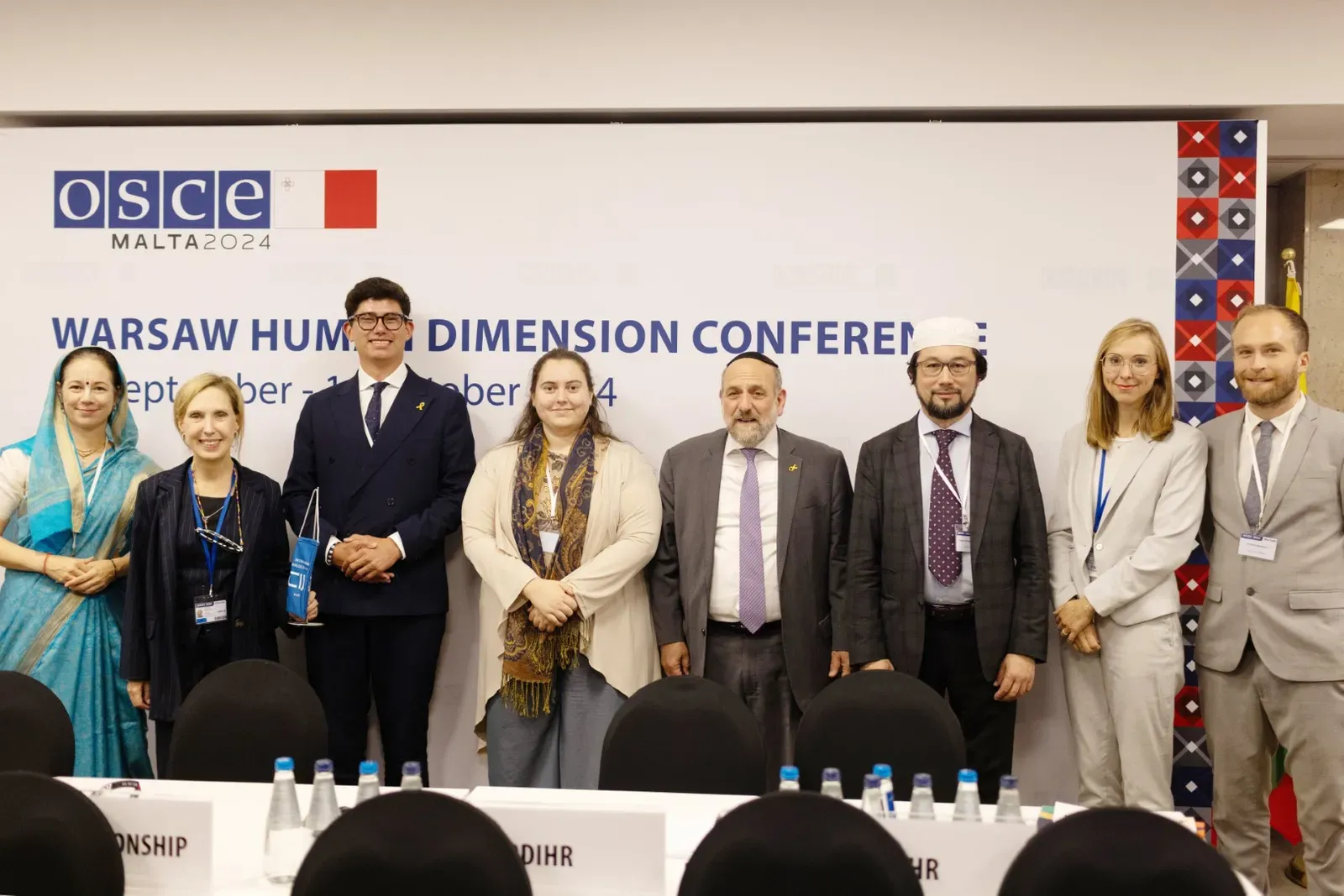
Amina Croce reflects on the broader impact:
“To be a culturally competent healthcare provider is to be a more aware and empathetic human being outside of one’s professional life as well. Cultural competence isn’t just a subject to be taught, but a basic life skill that improves the lives of everyone we interact with; even more so, when those people are going through times of vulnerability and entrust us with their care.”
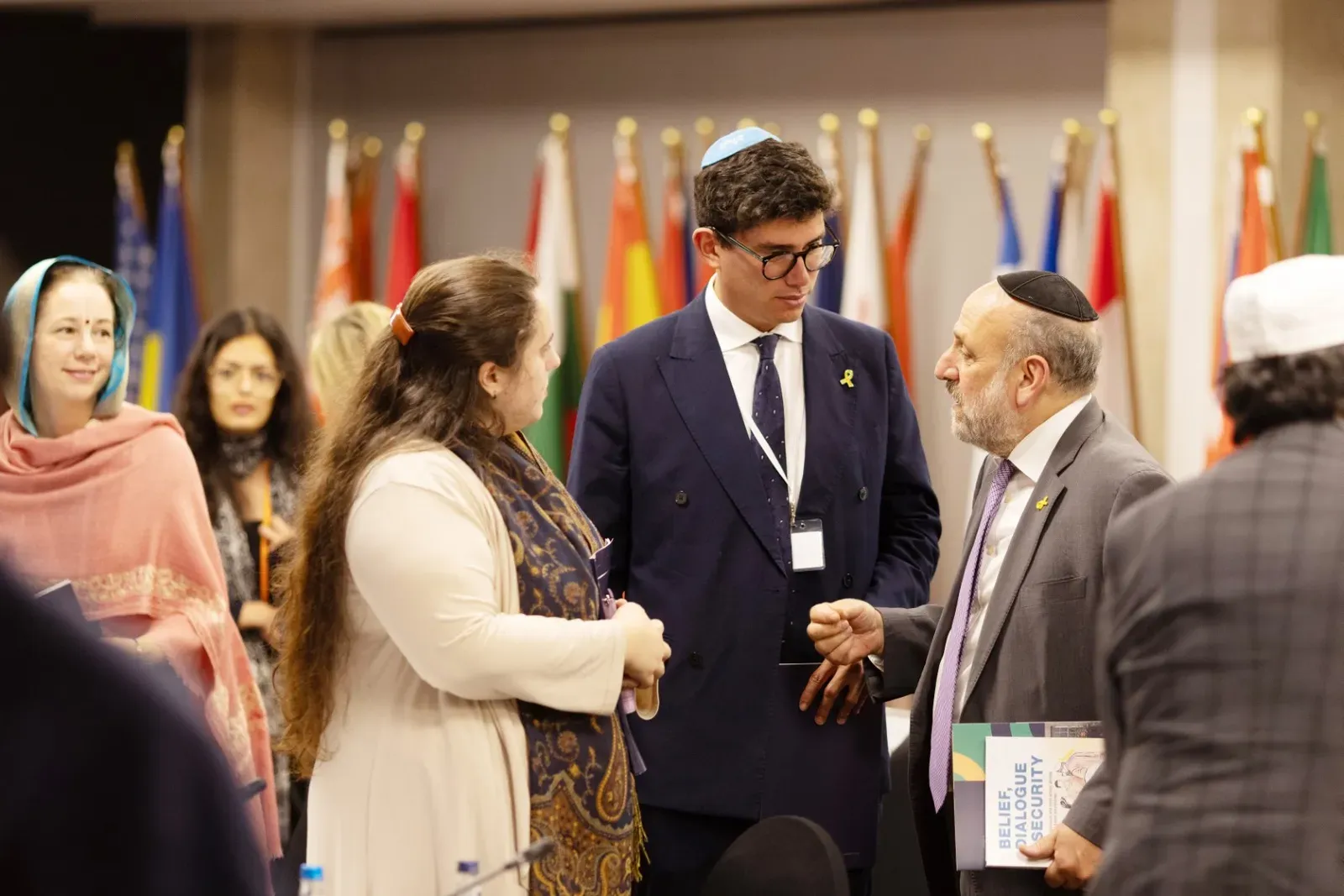
The Milan Ambassadors Programme demonstrates how professional expertise can be combined with interfaith understanding to create meaningful change in healthcare delivery, benefiting both medical professionals and the diverse communities they serve.