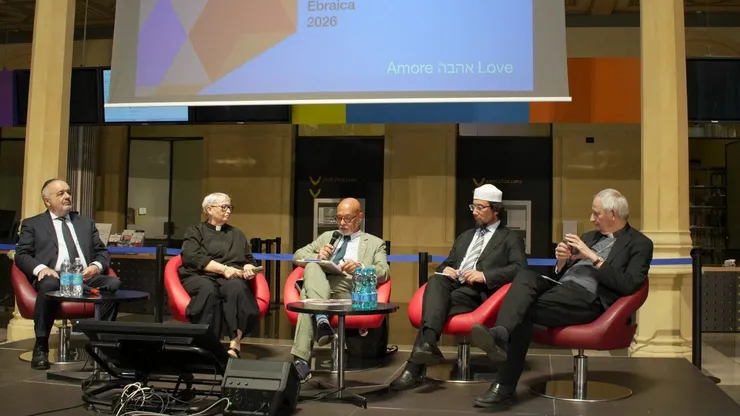
On Sunday, 6 September 2026, Bologna opened the 27th European Day of Jewish Culture in Italy, bringing communities and institutions together around this year’s theme: “Love.” Across more than a hundred towns and cities, the occasion created spaces to encounter Jewish culture, history and tradition, while reflecting on the values that connect people and communities.
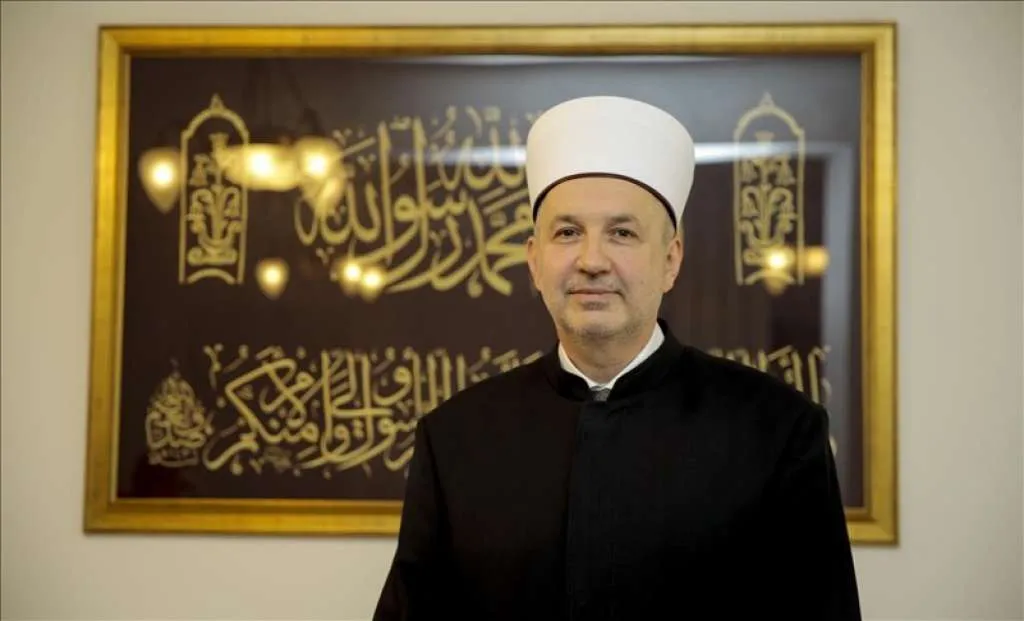
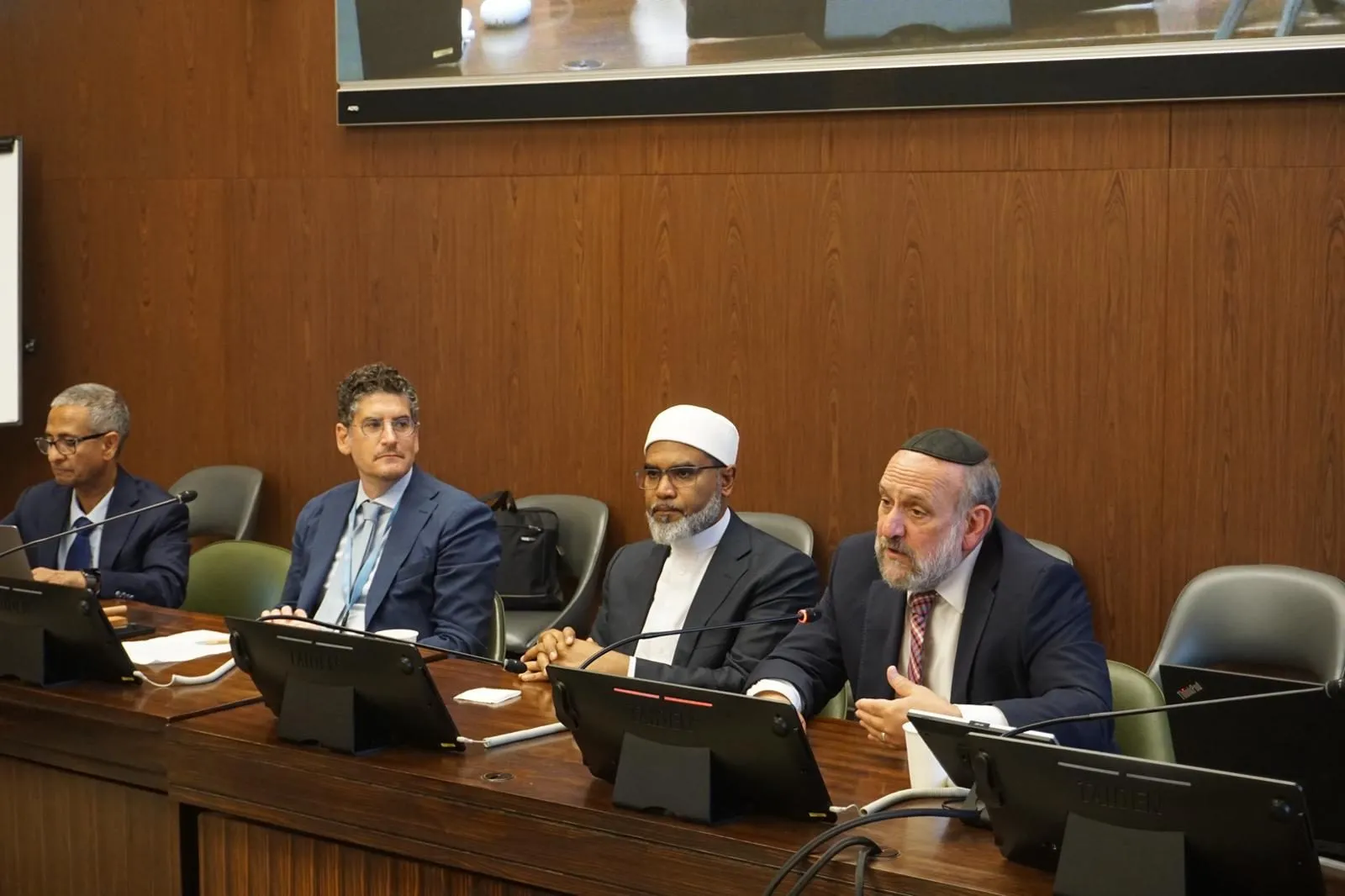
In Bologna, this reflection took the form of an intergenerational and interfaith conversation at Biblioteca Salaborsa: “Children ask, religions answer.” Among the religious leaders invited to respond to questions raised by children was Imam Yahya Sergio Yahe Pallavicini, MJLC Board Member and President of COREIS, alongside Rav Alfonso Arbib, Pastor Daniela Di Carlo and Cardinal Matteo Maria Zuppi.
Moderated by Enrico Franco, the conversation began with questions raised by children during a philosophy workshop led by Sara Gomel. The children’s questions were simple, yet profound: What is love? Can we love someone we do not know? Do other people’s lives concern us? Their questions opened a wider reflection on love not merely as an emotion, but as something that can be learned, practiced and expressed through responsibility towards others.
From love to responsibility
Speaking to RAI Cultura, media partner of the European Day of Jewish Culture, Imam Pallavicini reflected on the meaning of love in the Islamic tradition, describing it as a relationship that begins with God and extends towards one’s fellow human beings and creation. In the Qur’anic tradition, he noted, God is described as “the One who loves.”
For Imam Pallavicini, however, love cannot remain an abstract feeling. It must become part of how people are educated and how they relate to one another. Reflecting on the present moment, he observed:
“We are living through a time of great crisis and great polarization, at least on the surface: on one side, some claim a monopoly on love; on the other, they attribute a monopoly on hatred to their counterpart. This artificial paradigm must be dismantled.”
This was one of the points of convergence across the conversation. Rav Alfonso Arbib likewise reflected on love as something that becomes meaningful through action. As he explained, while “a feeling cannot be imposed, a way of acting can.” Love therefore moves beyond the private realm of emotion and enters the realm of responsibility: it becomes visible in the way we treat another person, the way we respond to vulnerability and the way we choose to act towards those around us.
A dialogue across traditions
The presence of Muslim, Jewish and Christian religious leaders gave the conversation a particular significance. The traditions remained distinct in their theological languages, yet met around a common human question: what does it mean to love another person in practice?
For the MJLC, Imam Pallavicini’s participation reflected the importance of precisely such encounters. His contribution brought a Muslim perspective into a wider European conversation centered on Jewish culture, while demonstrating how different religious traditions can remain rooted in their own identities and still meet in a spirit of mutual understanding and responsibility.
The exchange also placed religious leadership in dialogue with the generation to come. Rather than offering children predetermined answers, the conversation created space for questions, listening and encounter, reminding us that understanding another person begins with the willingness to see and hear them.
Love as a way of meeting one another
Bologna offered a quiet but powerful reminder that love can be understood not only as a private sentiment, but as a principle that shapes how people live together.
The children asked the questions. Religious leaders brought the wisdom of their traditions. Between them emerged a shared recognition: love acquires its deepest meaning when it becomes responsibility - expressed through action, education, respect and care for the other.
Imam Pallavicini’s participation in this conversation reflected the MJLC’s continuing commitment to creating spaces where Muslim and Jewish religious leadership can meet, listen and contribute to a culture of cooperation and dialogue. In Bologna, that dialogue began with a simple question from a child, and opened onto something much larger: the possibility of learning how to meet one another with greater understanding, dignity and care.
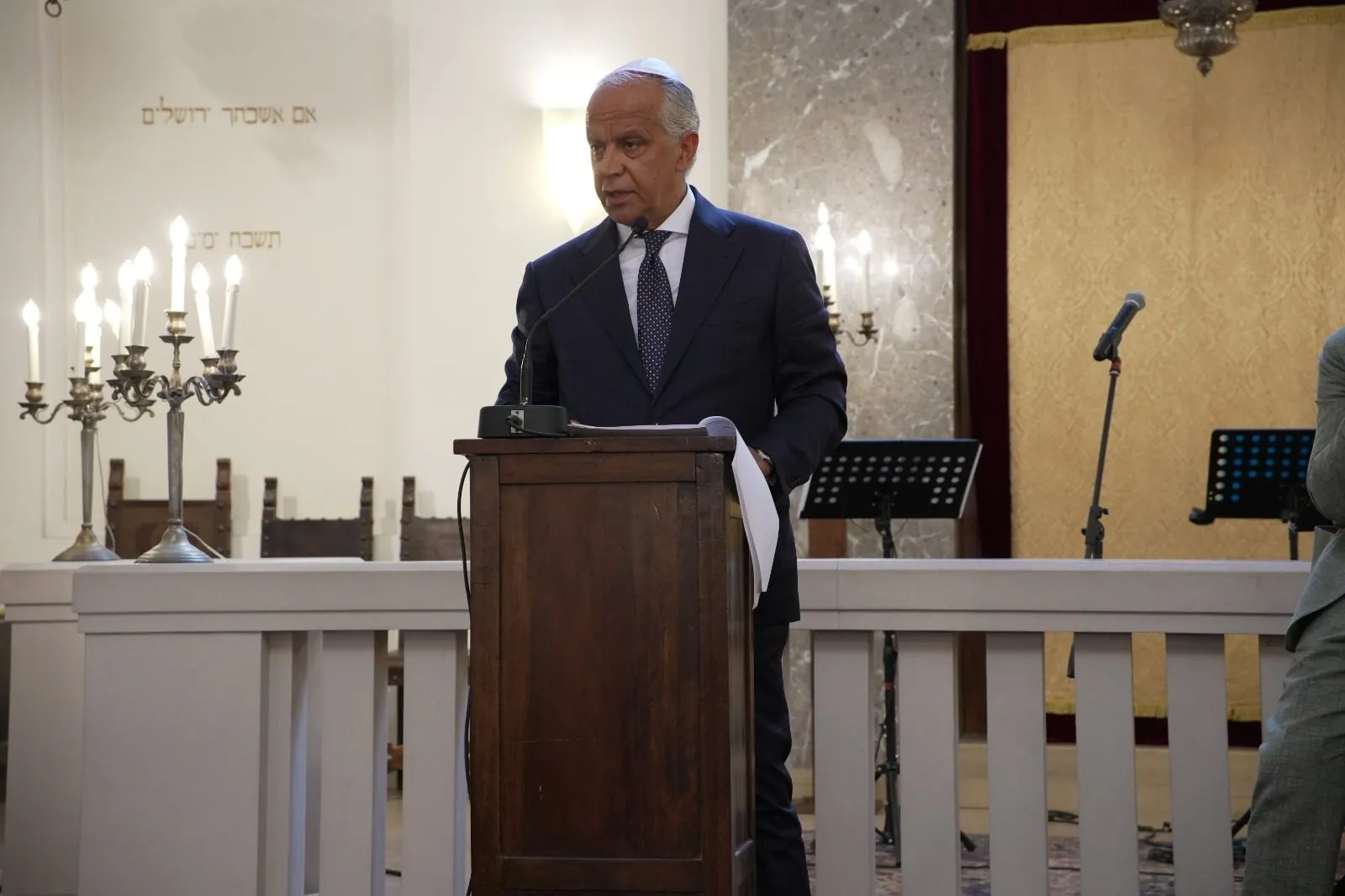
Watch: the RAI Cultura interviews
Watch the interviews recorded by RAI Cultura, media partner of the European Day of Jewish Culture (in Italian):