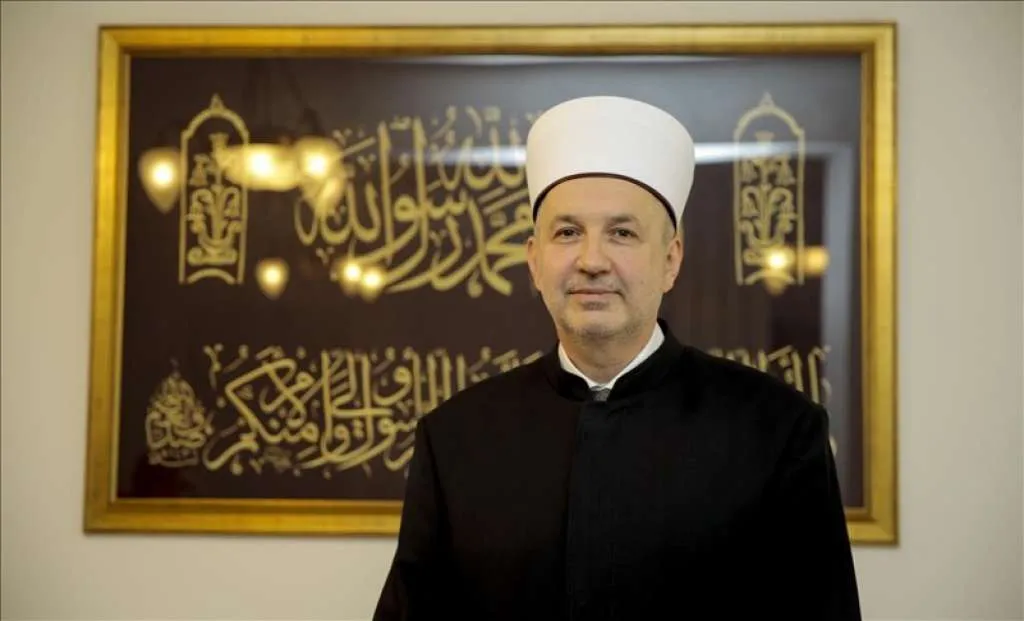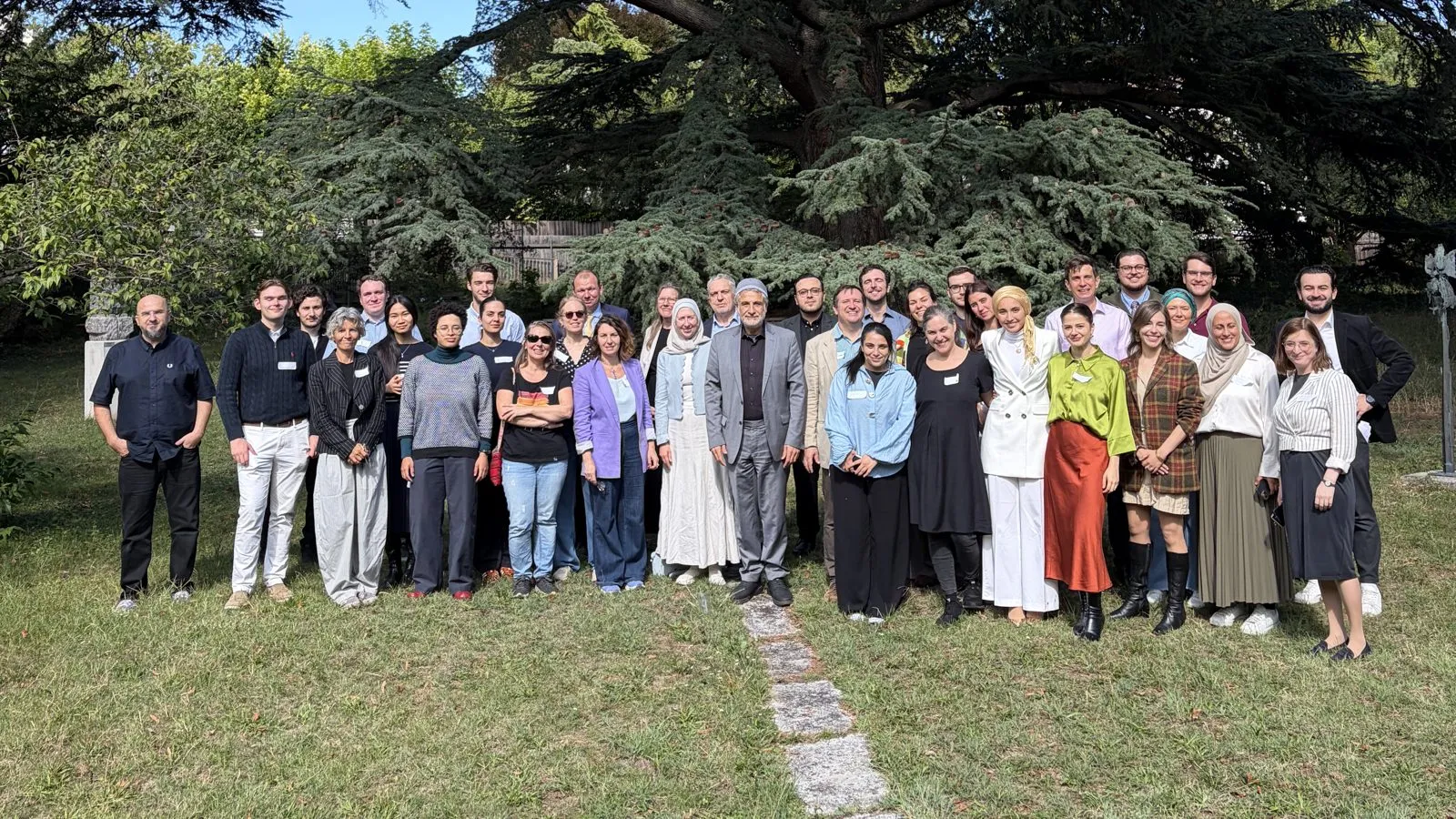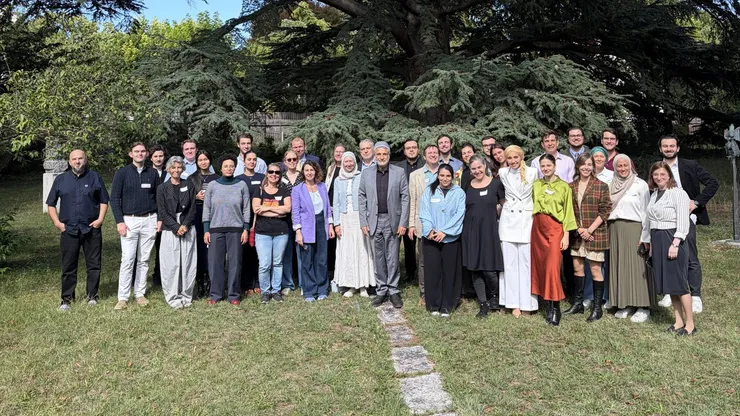
On 15 September 2026, the MJLC, as part of the Bridging Beliefs project consortium and in cooperation with the Bruno Kreisky Forum for International Dialogue, brought the local workshop to Vienna, convening representatives from religious communities, including Mag. Ümit Vural, President of the Islamic Religious Community in Austria (IGGÖ), alongside diverse voices from across Vienna’s wider civic and institutional landscape.
Supported by ALDA – the European Association for Local Democracy, the workshop explored religious education and literacy, youth participation, religious freedom and non-discrimination, with a particular focus on strengthening the foundations for sustainable interreligious cooperation.
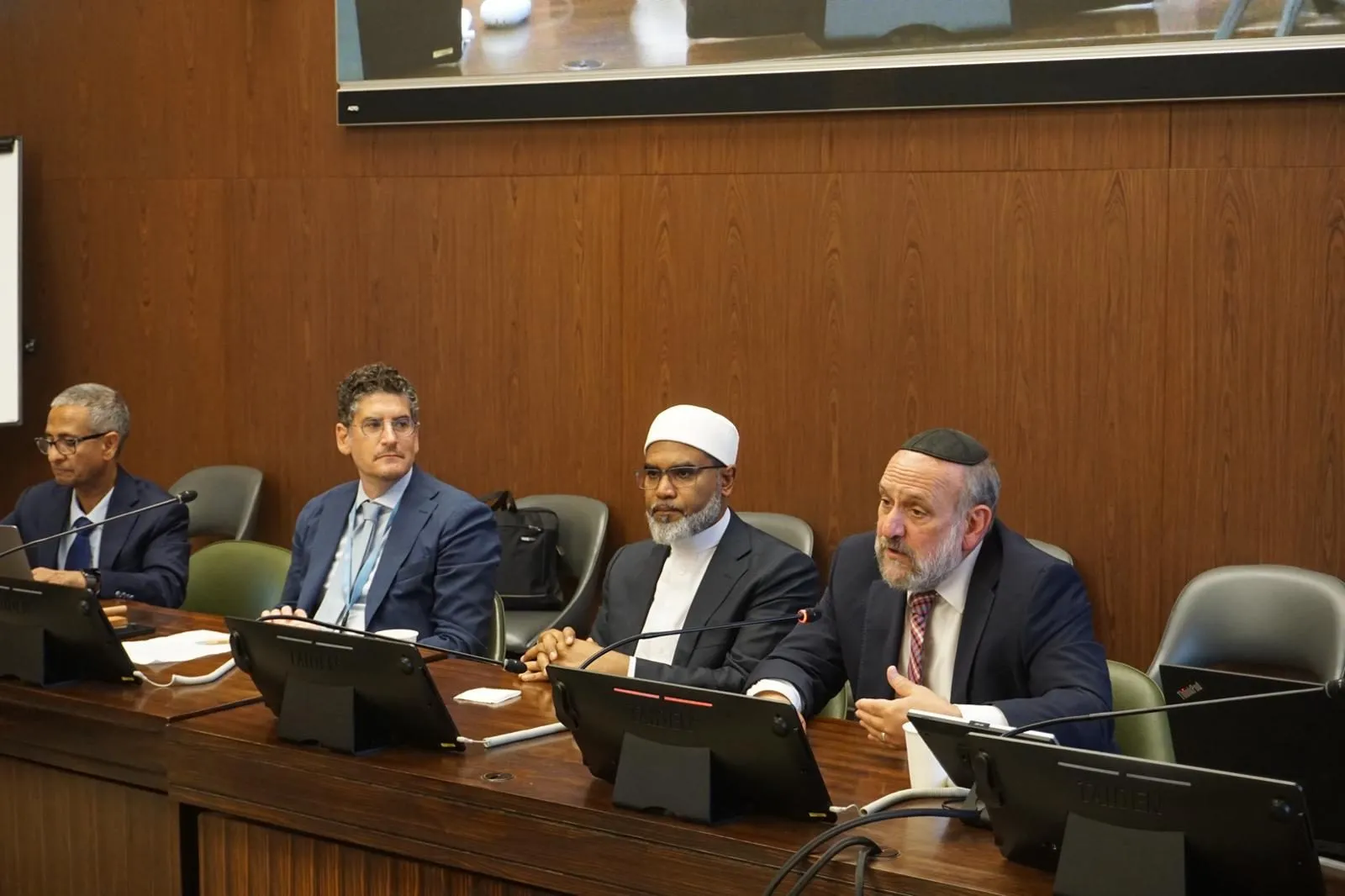
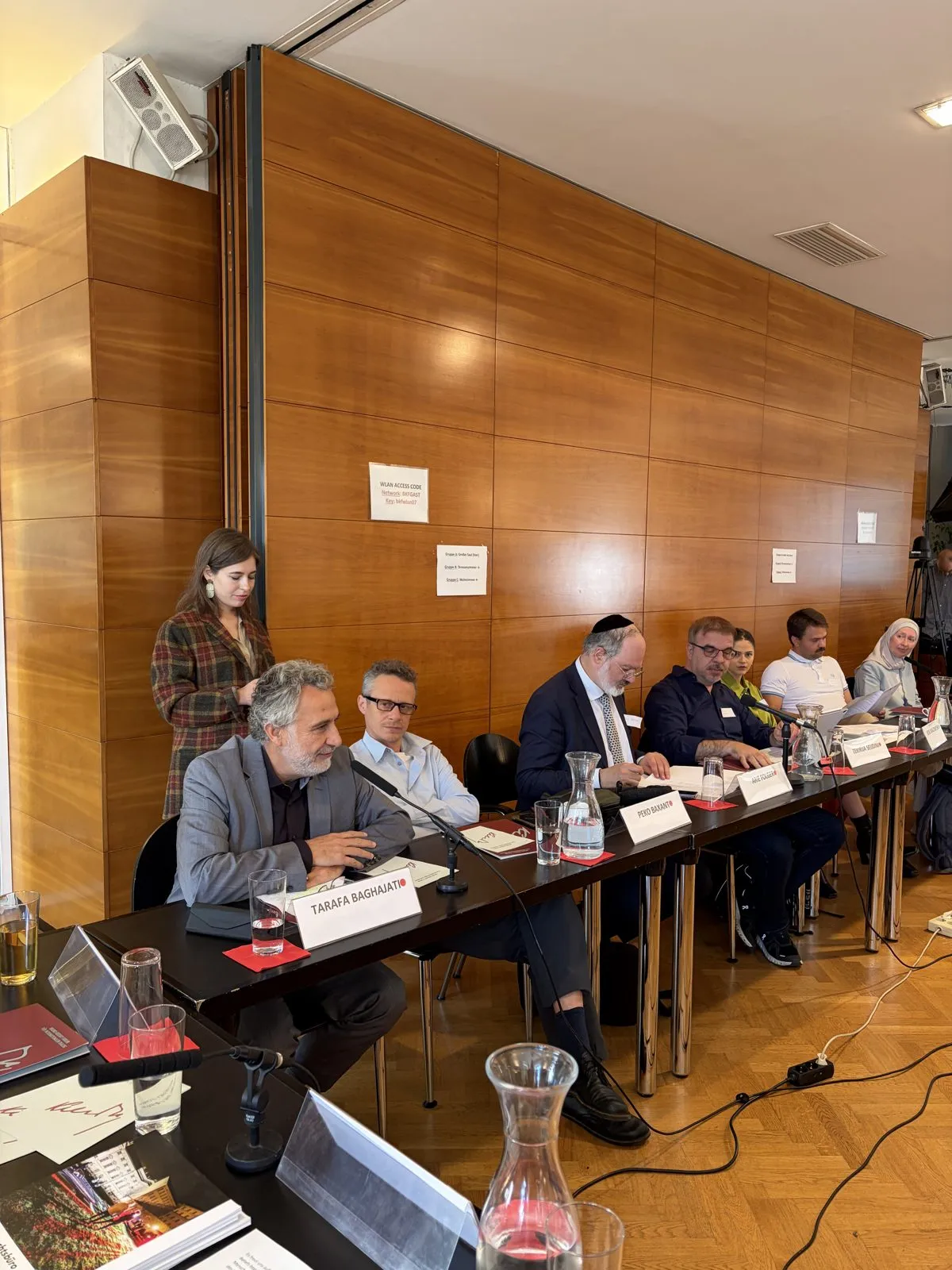
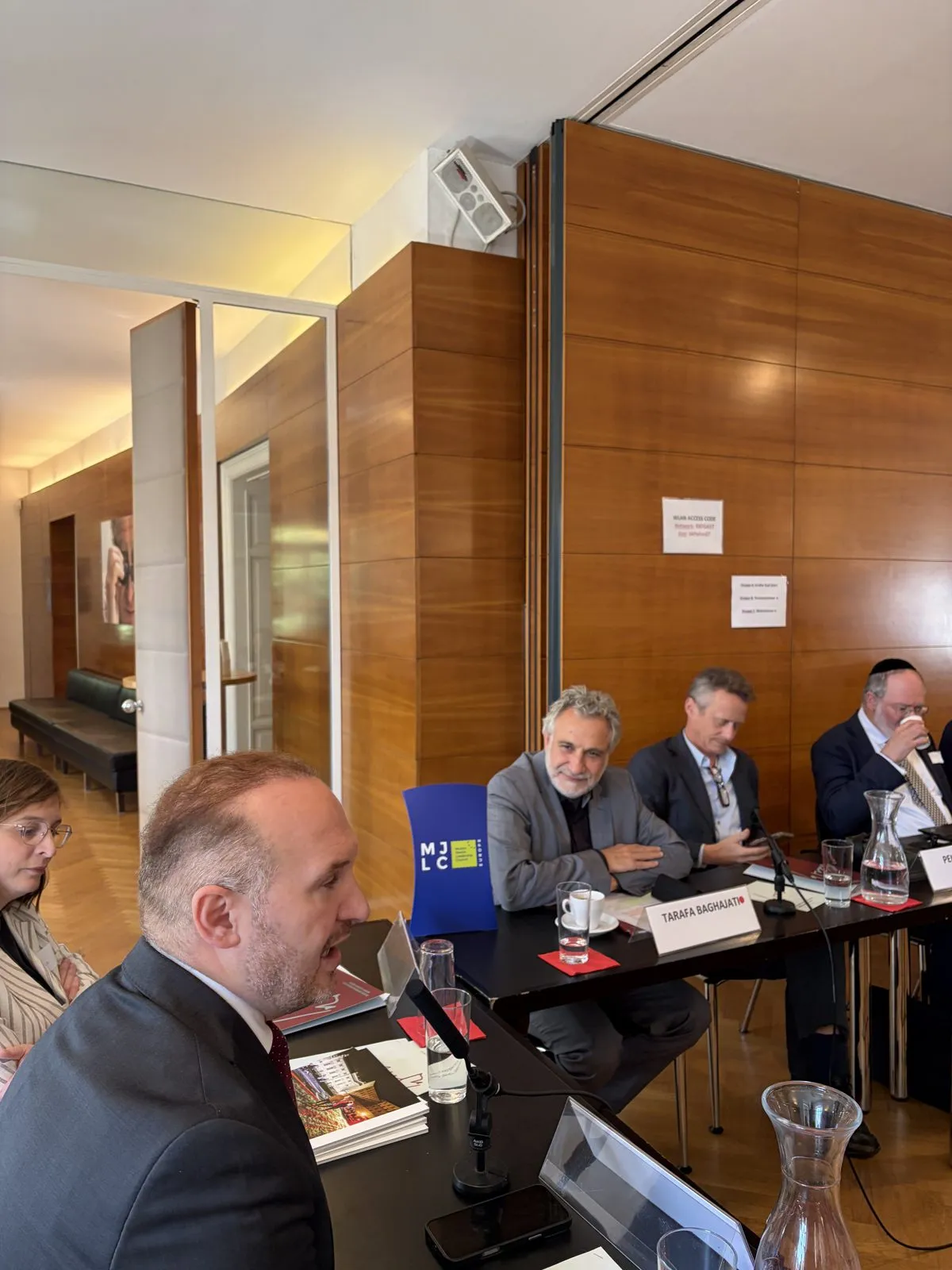
Representing the MJLC, Board Member Imam Tarafa Baghajati brought the Council’s commitment to Muslim-Jewish cooperation into this distinctly local setting, connecting the broader European dialogue with the practical realities of diverse communities in Vienna.
Reflecting on the MJLC’s founding ten years ago and the purpose that continues to guide its work, Imam Baghajati emphasized the importance of “facing the real challenges of our time together: as Jews and Muslims, and as citizens of Europe.”
Read Imam Tarafa Baghajati’s full opening remarks: English | Deutsch (PDF: EN, DE)
His opening remarks set the tone for a workshop centered not on abstract dialogue, but on how religious communities and public institutions can work together to strengthen social cohesion at the local level.
From dialogue to social cohesion
For the MJLC, interreligious dialogue extends beyond questions of faith to the shared responsibility of strengthening the social fabric of diverse societies: how communities build trust, strengthen social cohesion and contribute to the societies they share. Imam Tarafa Baghajati captured this practical purpose:
“It is not about theological discussions, but about social cohesion and cooperation.”
Set against the Bruno Kreisky Forum’s legacy of dialogue, democracy, freedom and equality, the discussion focused on stronger cooperation between public institutions and religious communities, moving from principle to practice: how can municipalities cooperate better, and how can people practice their faith freely while fully participating in democratic society?
The power of encounter
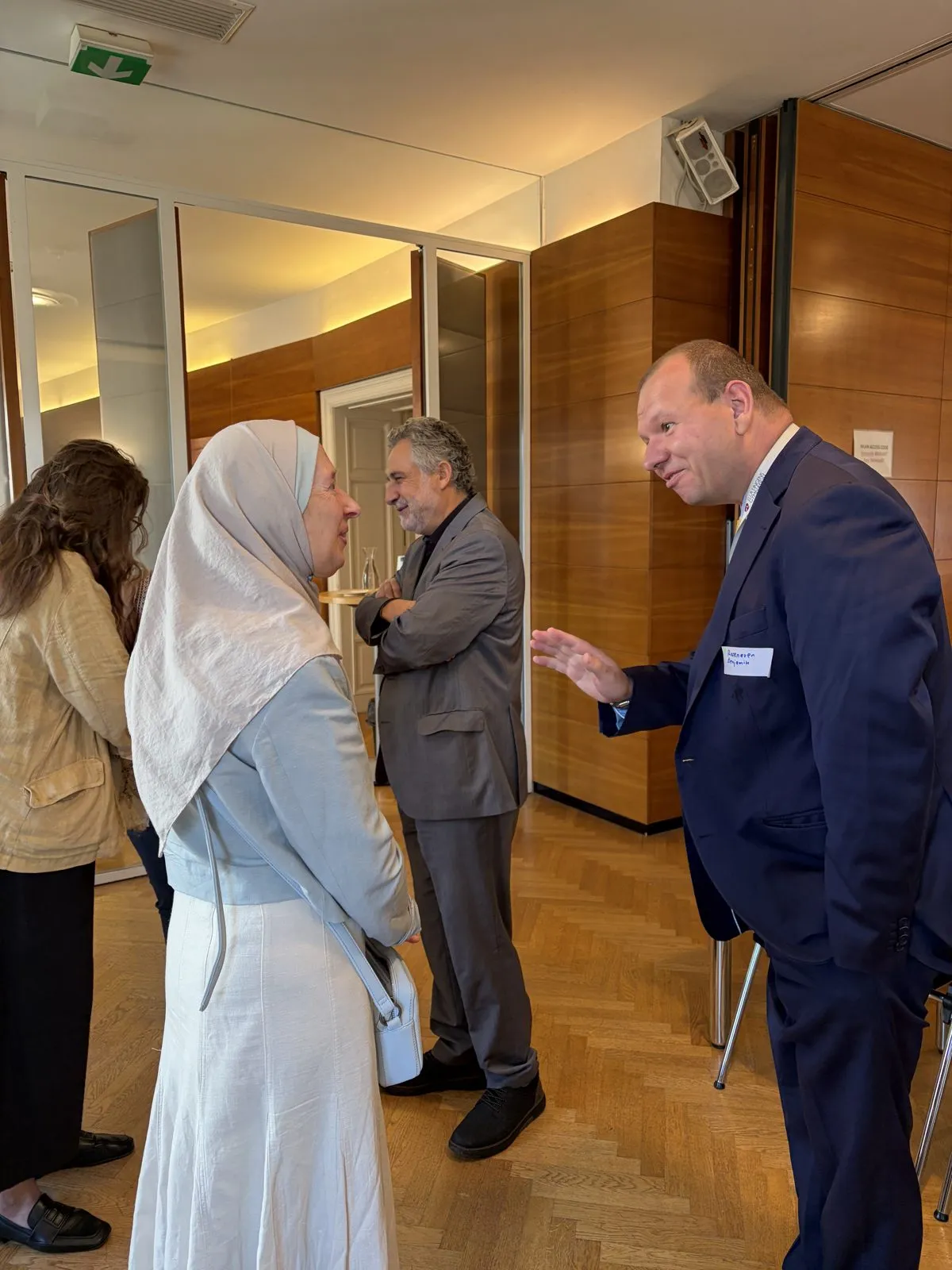
One message emerged repeatedly: meaningful cooperation begins with relationships.
The experience pointed to a simple but fundamental truth: trust cannot be built through institutions alone. It grows through continuity, personal contact and repeated encounters that allow people to know one another beyond assumptions and stereotypes.
Religious literacy, freedom and belonging
Religious literacy emerged as a central theme, highlighting the need for greater understanding of religion across public institutions, while religious communities themselves need stronger media literacy as social media increasingly shapes perceptions of religion and identity.
The discussion also stressed that visibility, belonging and religious freedom are essential for communities to participate openly in the social life of the city.
From successful projects to sustainable cooperation
The workshop also confronted a persistent challenge: successful initiatives do not always become sustainable ones. Participants reflected on projects that built trust and delivered results, yet ended with funding cycles, personnel changes or volunteer fatigue. Their experience underscored that lasting cooperation requires continuity, resources and institutional commitment.
Youth participation was identified as equally essential. Young people should not simply be beneficiaries of dialogue, but active participants in shaping its future, with schools, educators and young people themselves integral to the next stage of the process.
Continuing the work
The Bridging Beliefs local workshop in Vienna was conceived not as a conclusion, but as a beginning. The MJLC will continue working with participants towards the next stage, with a follow-up planned for March 2027, focusing on sustainable interreligious cooperation, youth engagement, religious literacy and social cohesion.
For the MJLC, this reflects a broader conviction: dialogue gains meaning when it becomes part of the places where people live their everyday lives.
The Vienna workshop brought European and global perspectives into conversation with the realities of a city and its districts, making Jewish-Muslim cooperation visible while connecting it to the wider network of religious communities, public institutions and civil society whose collaboration sustains a cohesive society.
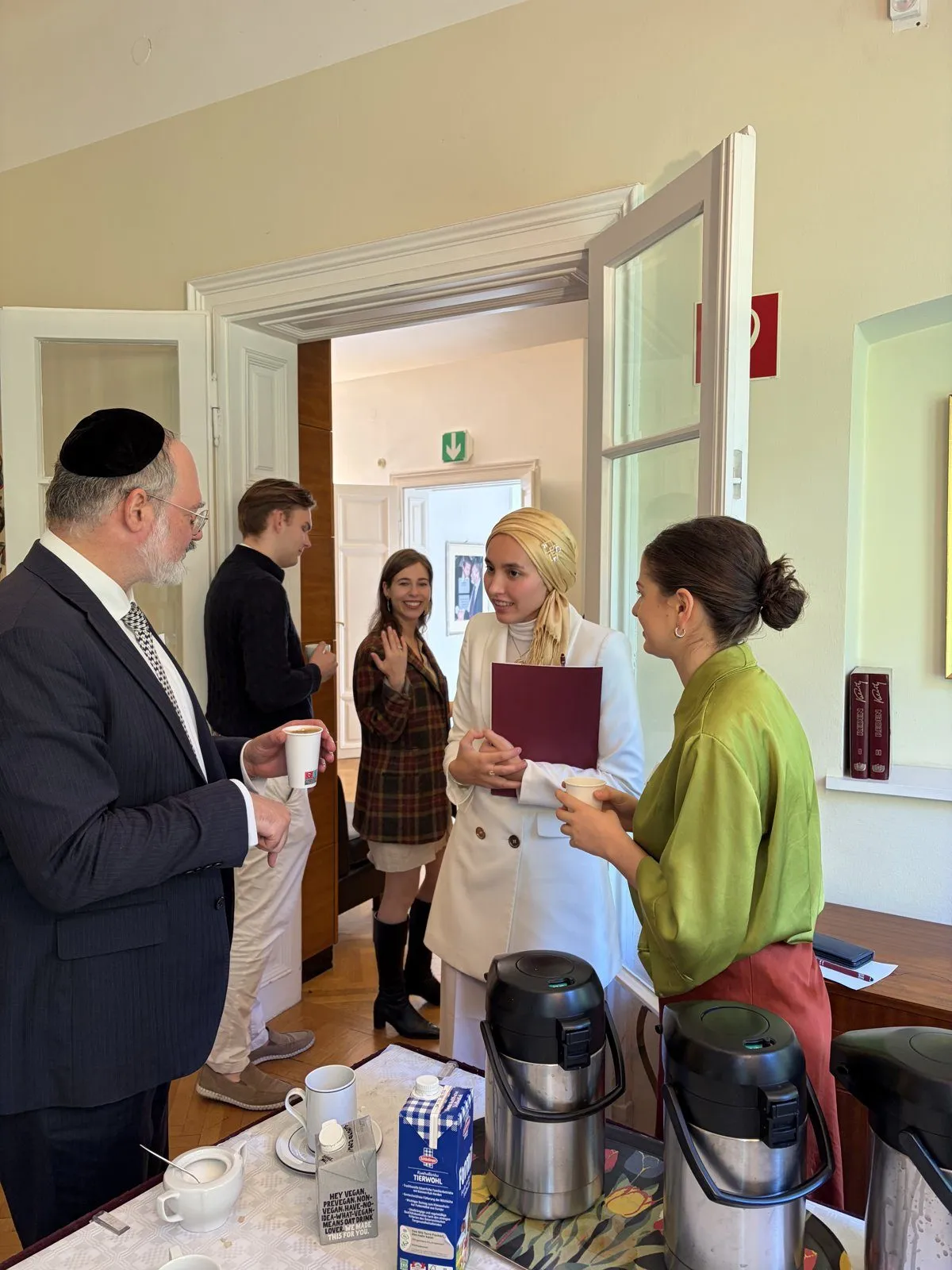
In Vienna, the MJLC sought not merely to discuss dialogue, but to help build the relationships and structures through which dialogue can become a lasting part of how a city lives together.